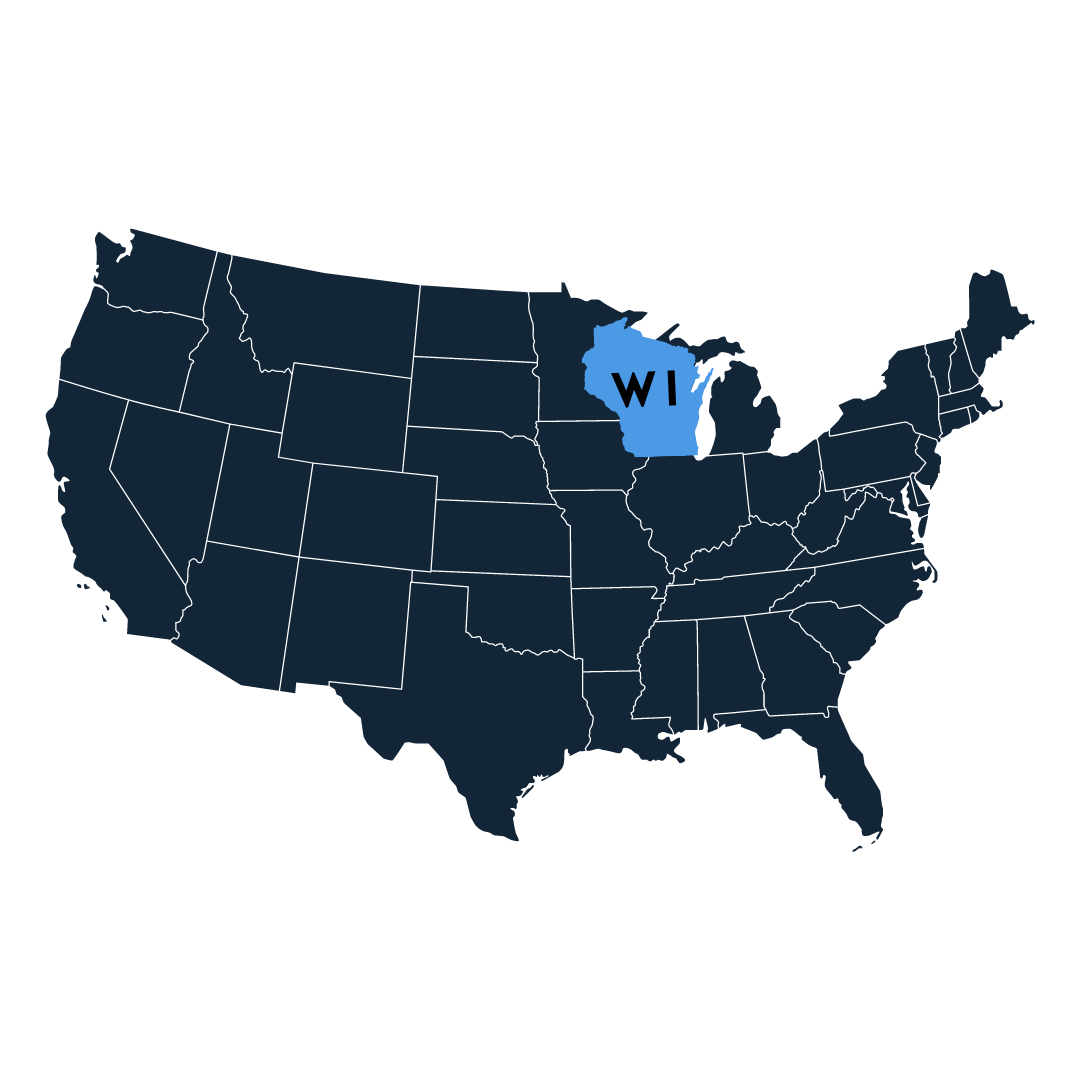
In most private adoptions, the birth mother must give her written permission before her child may be legally adopted. This is usually referred to as an adoption consent. In some states, it may be referred to as a relinquishment, surrender, or placement agreement. Many states require a waiting period after the child is born before the consent to adoption can be signed (for example, 24, 48, or 72 hours).
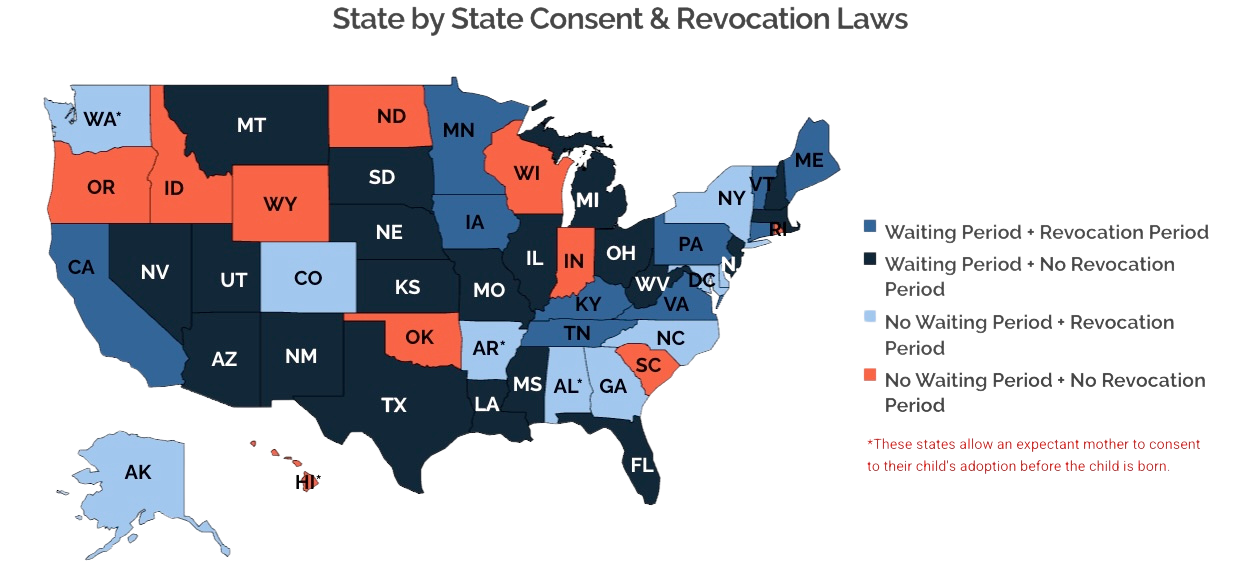
After the consent is signed, many states allow a revocation period. This is a limited timeframe during which a placing parent can withdraw consent and stop the adoption process. The laws about revocation periods vary from state to state. In many states, the placing parents have a time withdraw their consent. In twenty-five states, there is no revocation period at all, which means the adoption consent is irrevocable as soon as it is signed, except in very limited circumstances (for example, if the consent was obtained through fraud or duress).
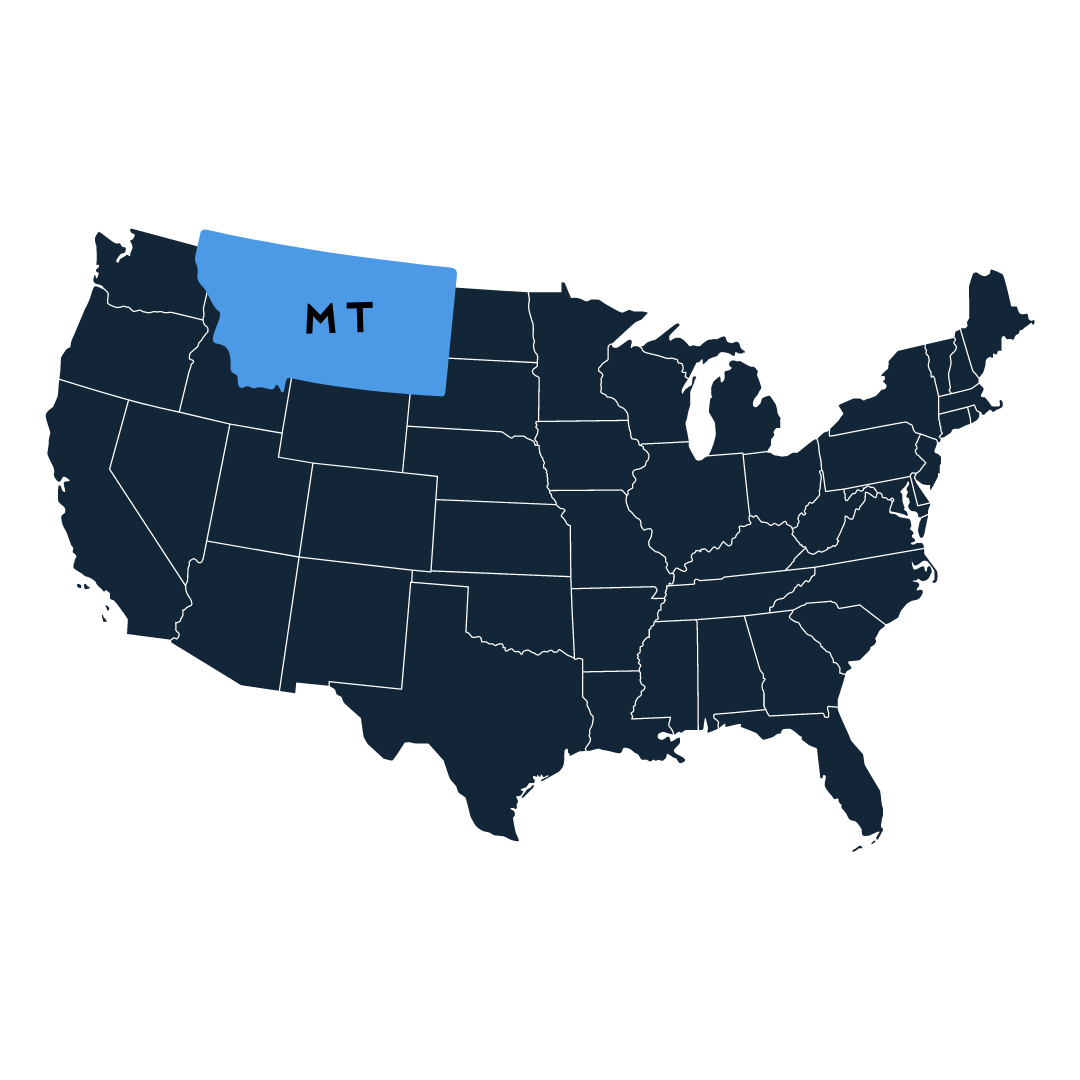
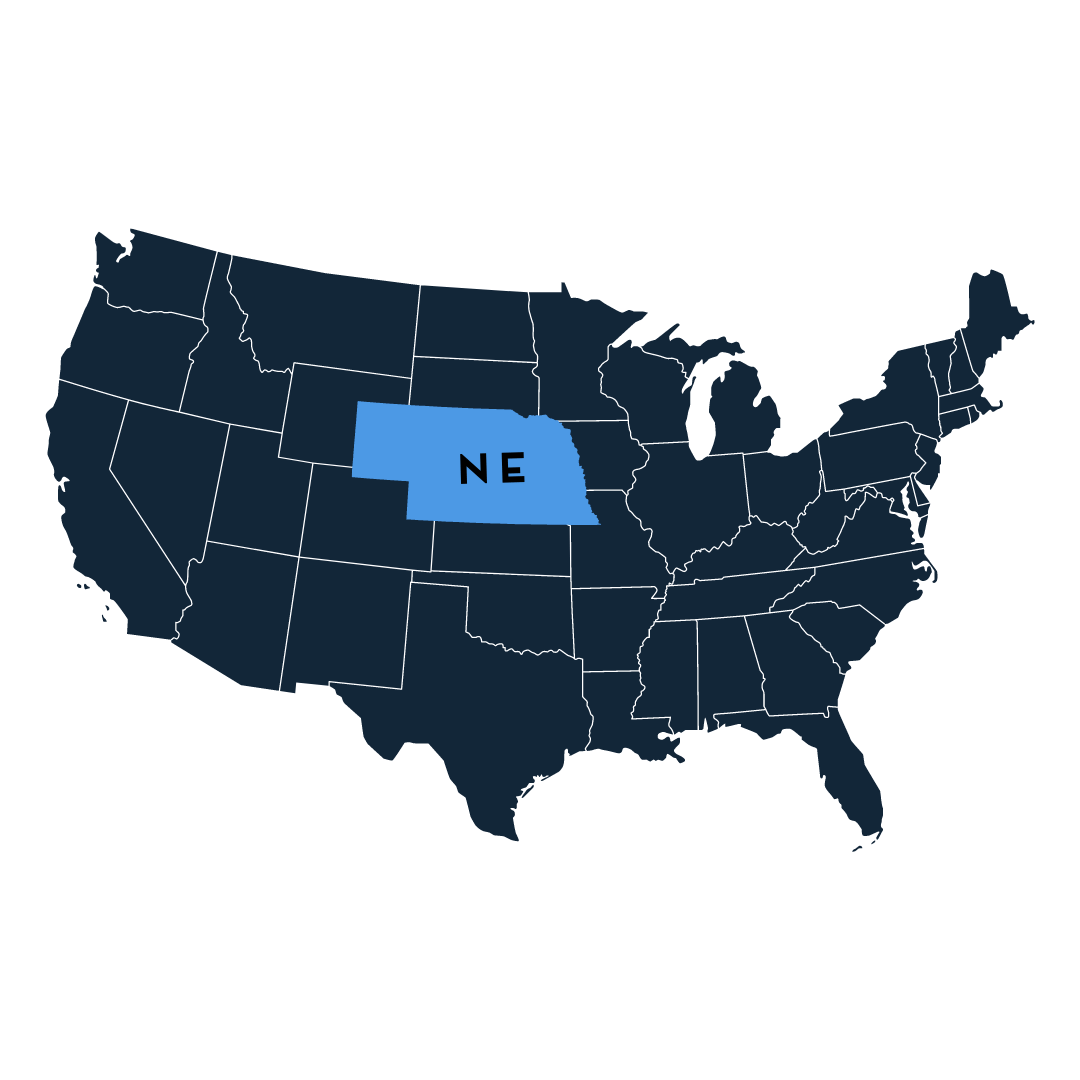
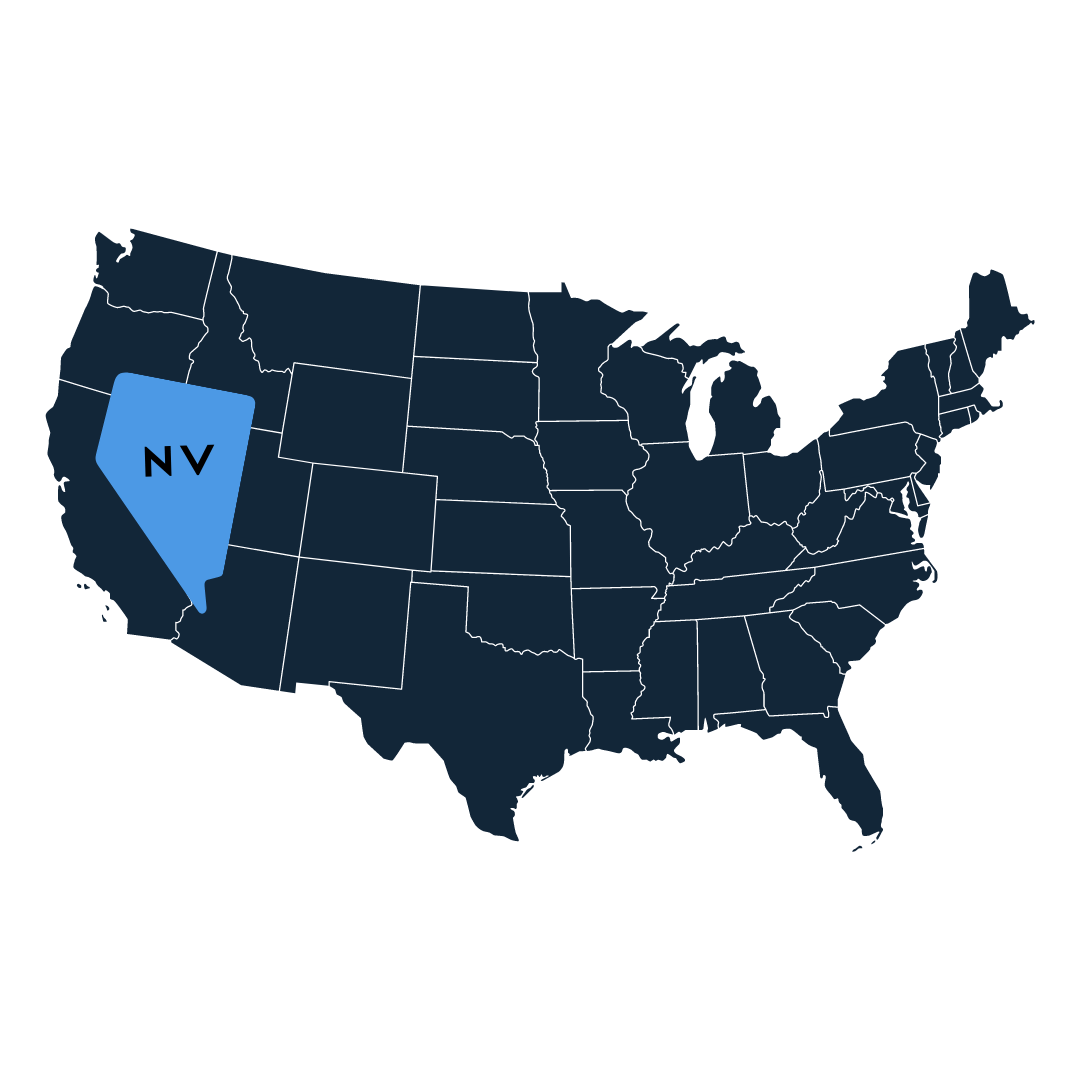
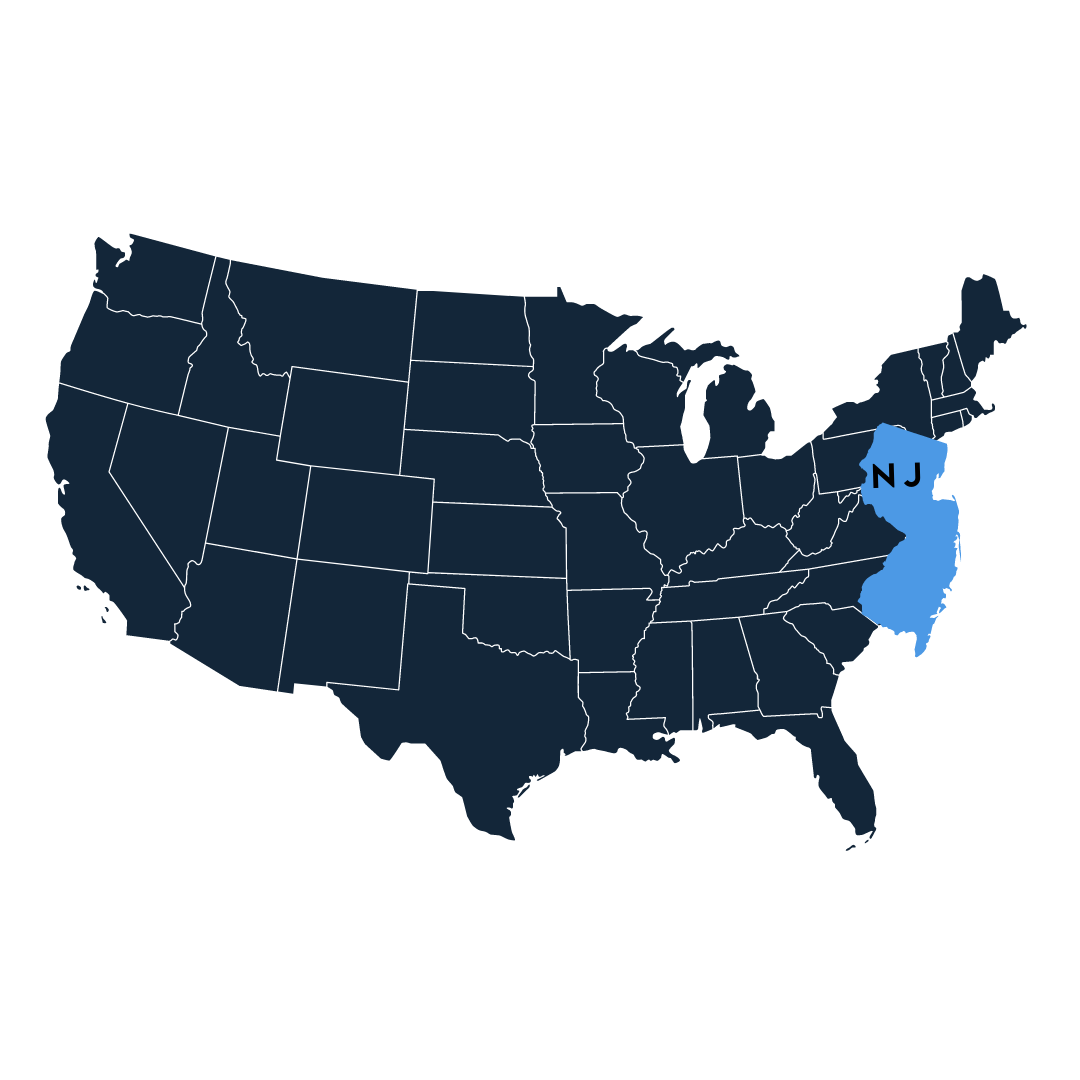
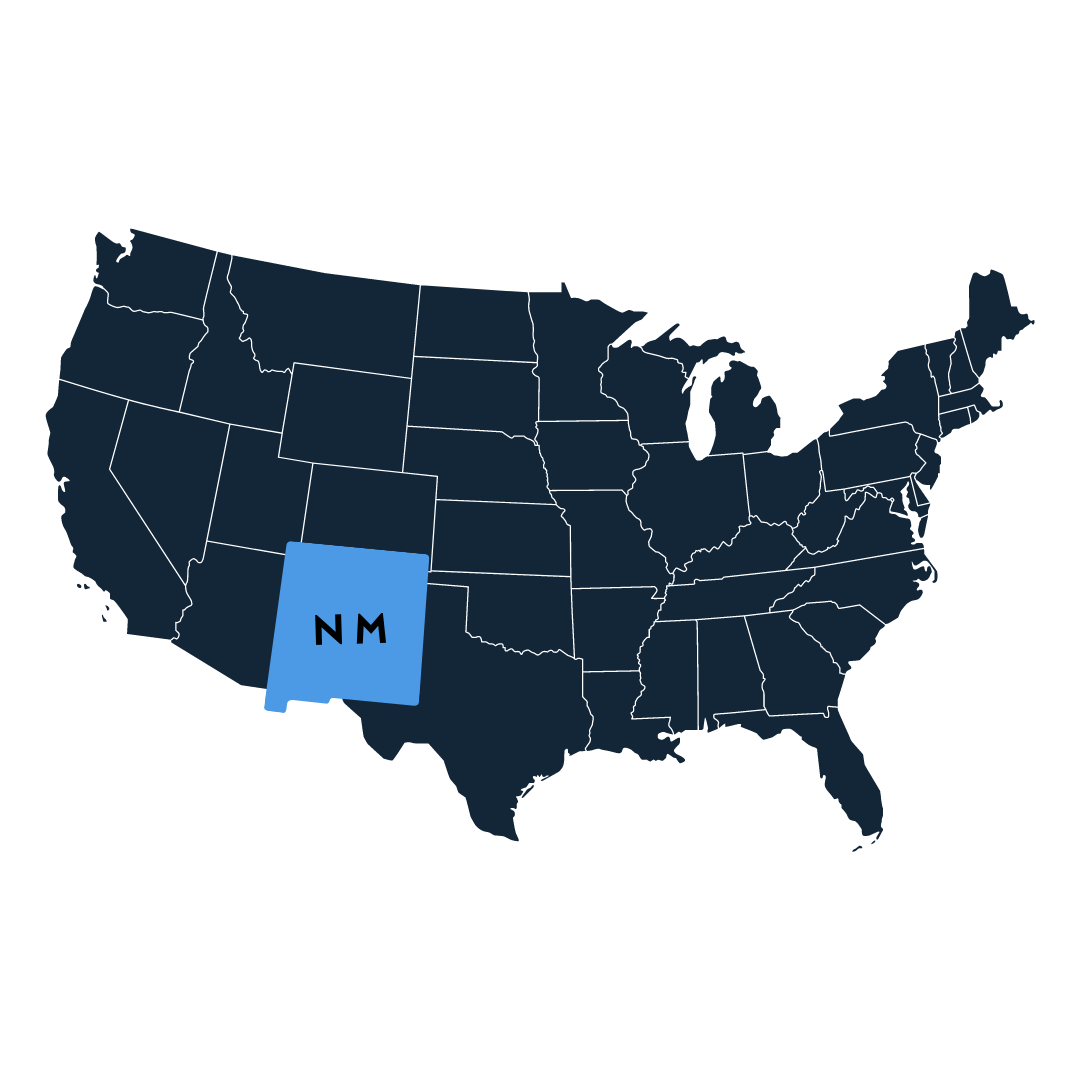
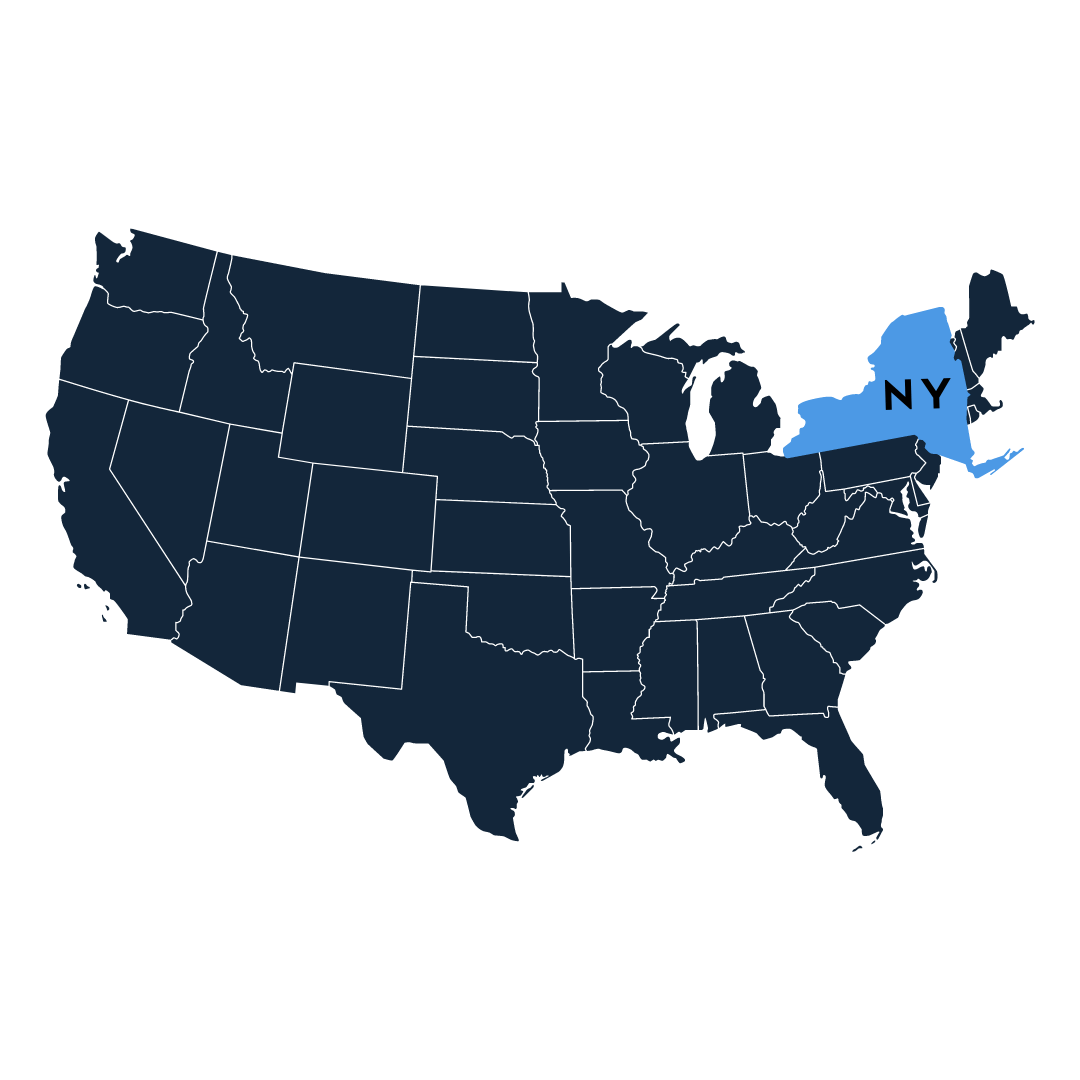
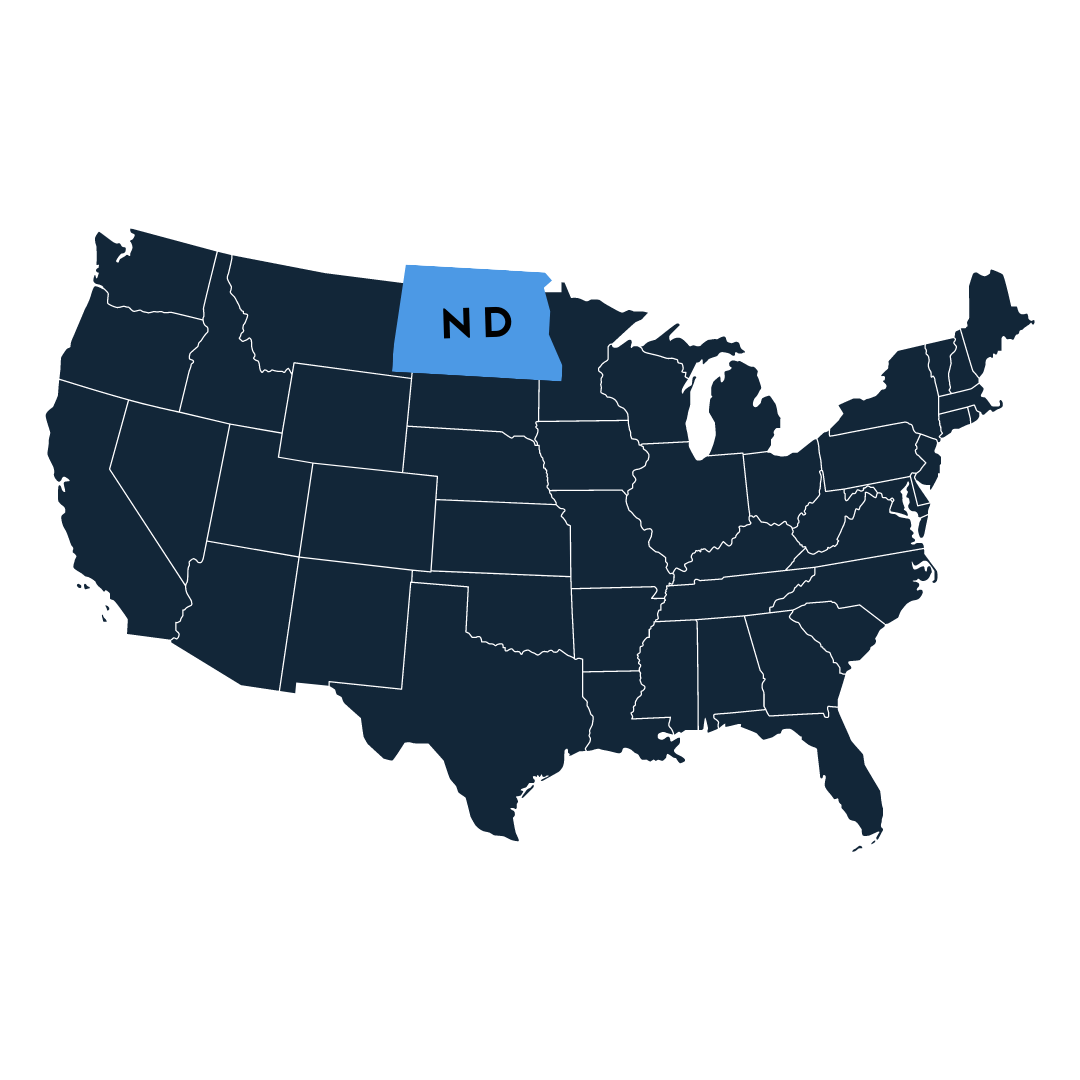
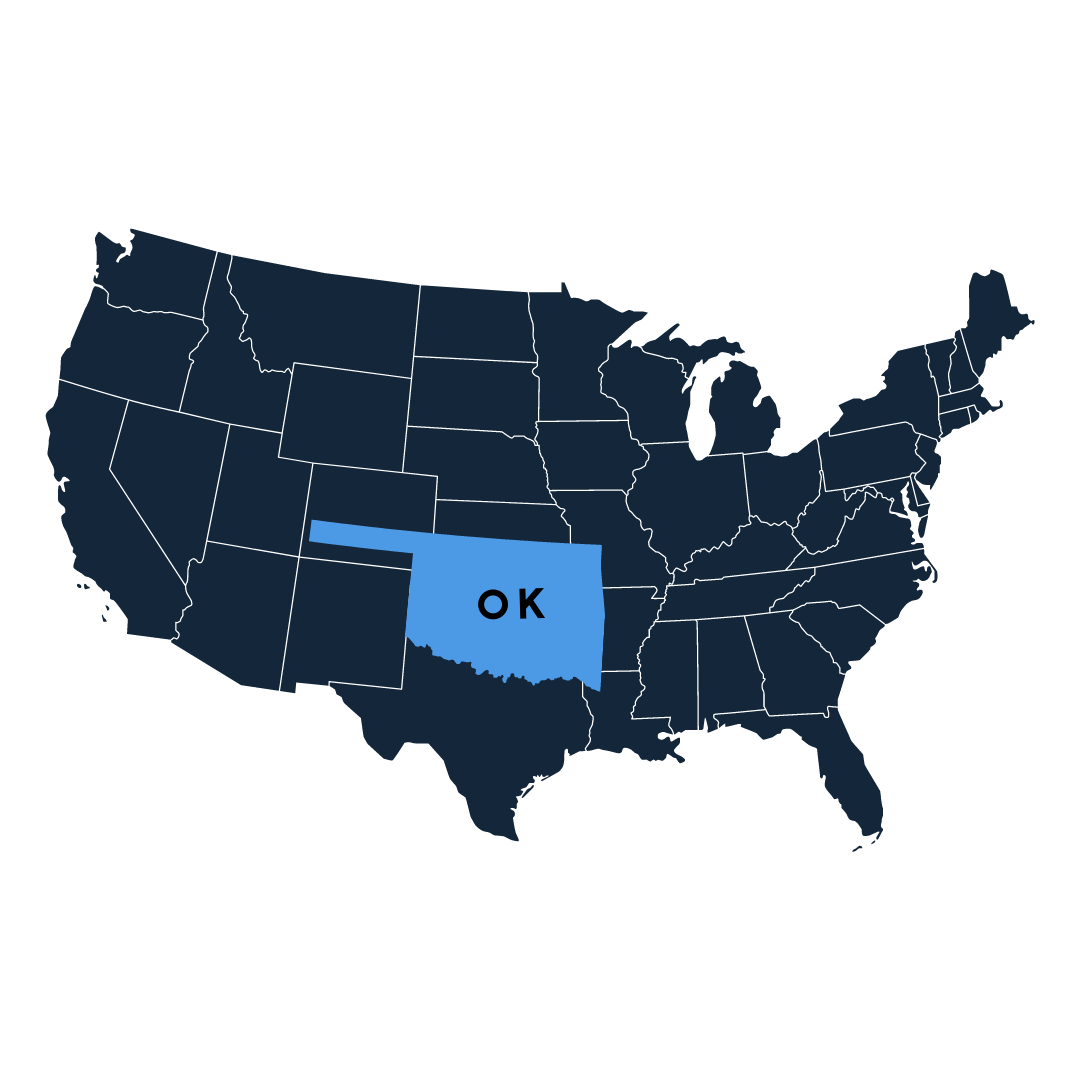
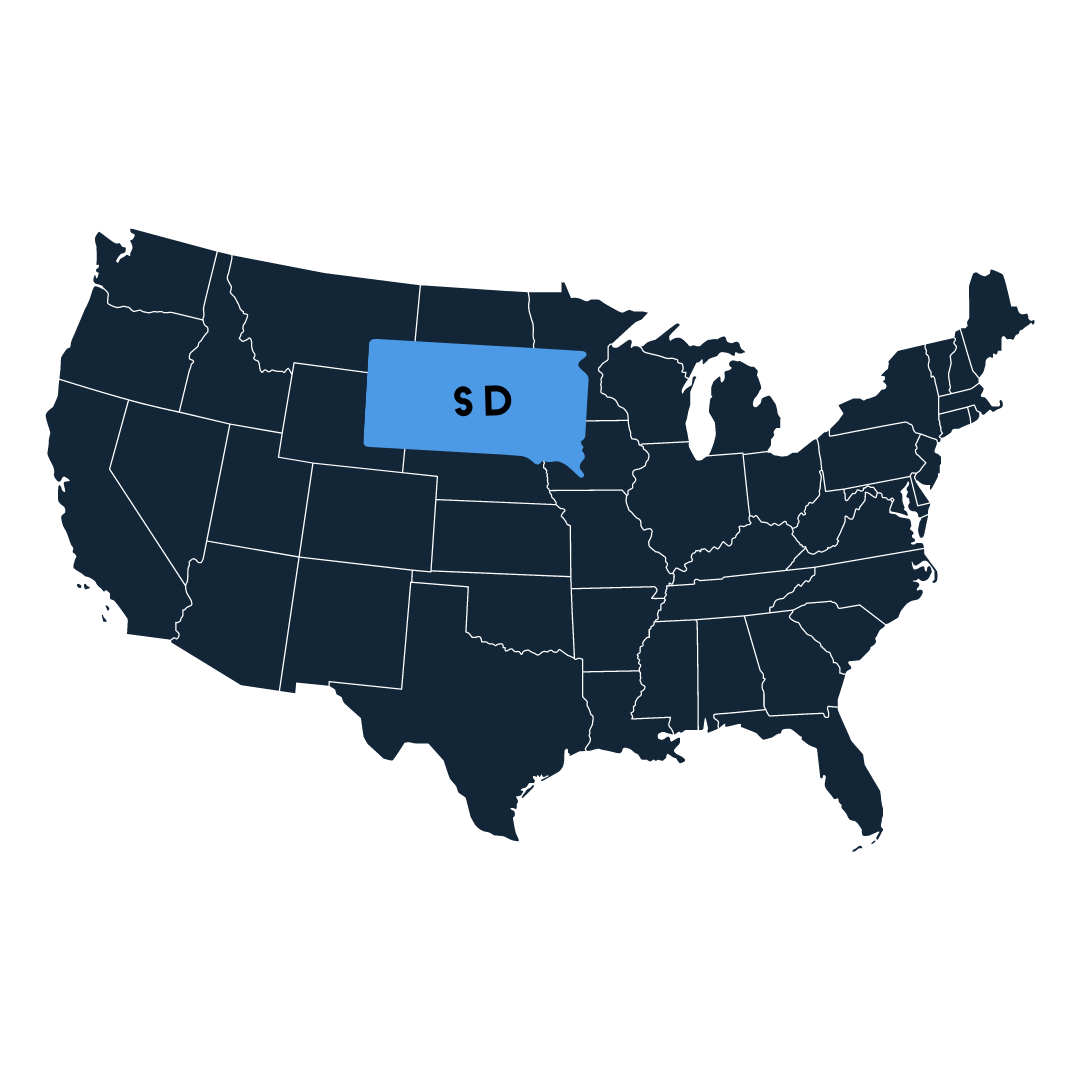
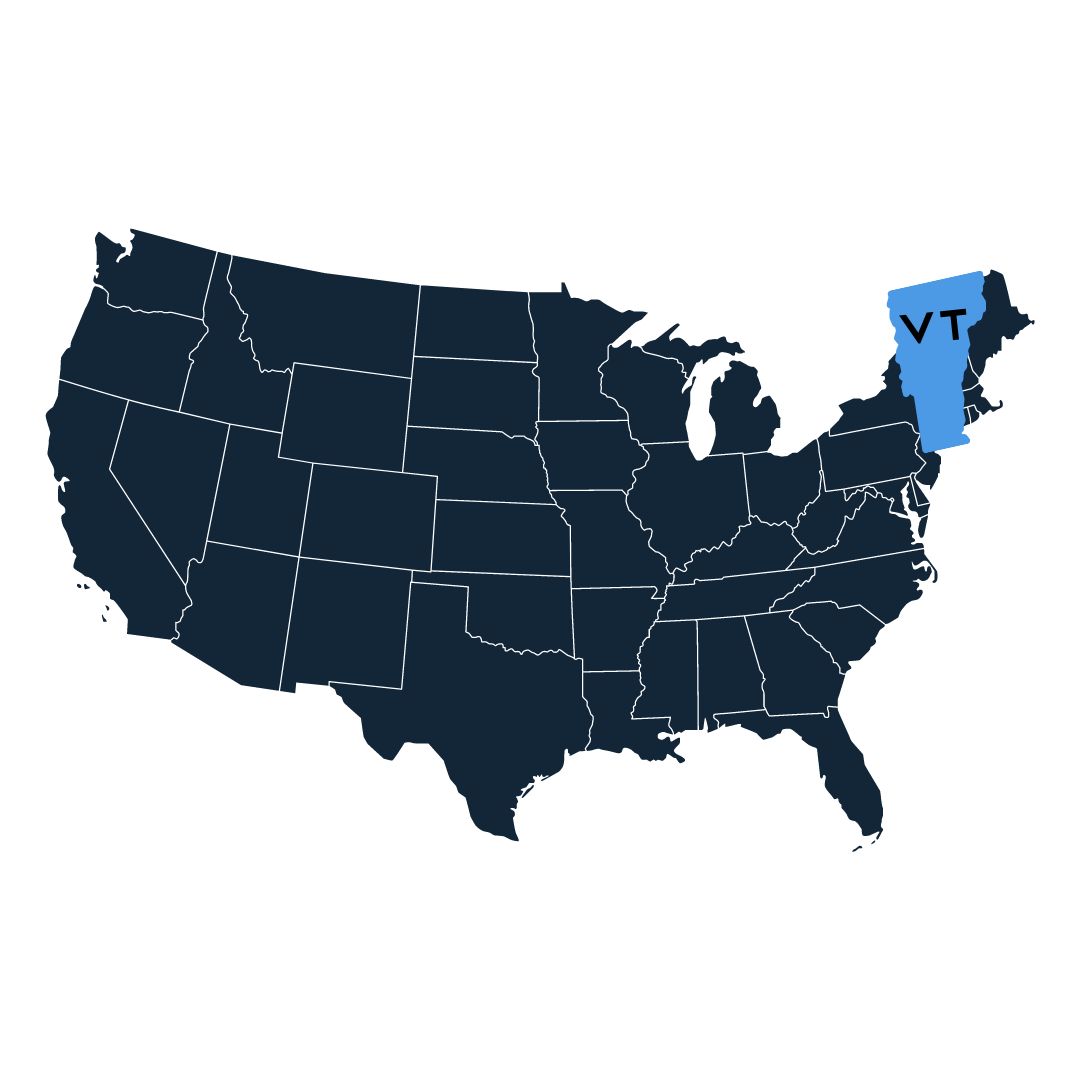
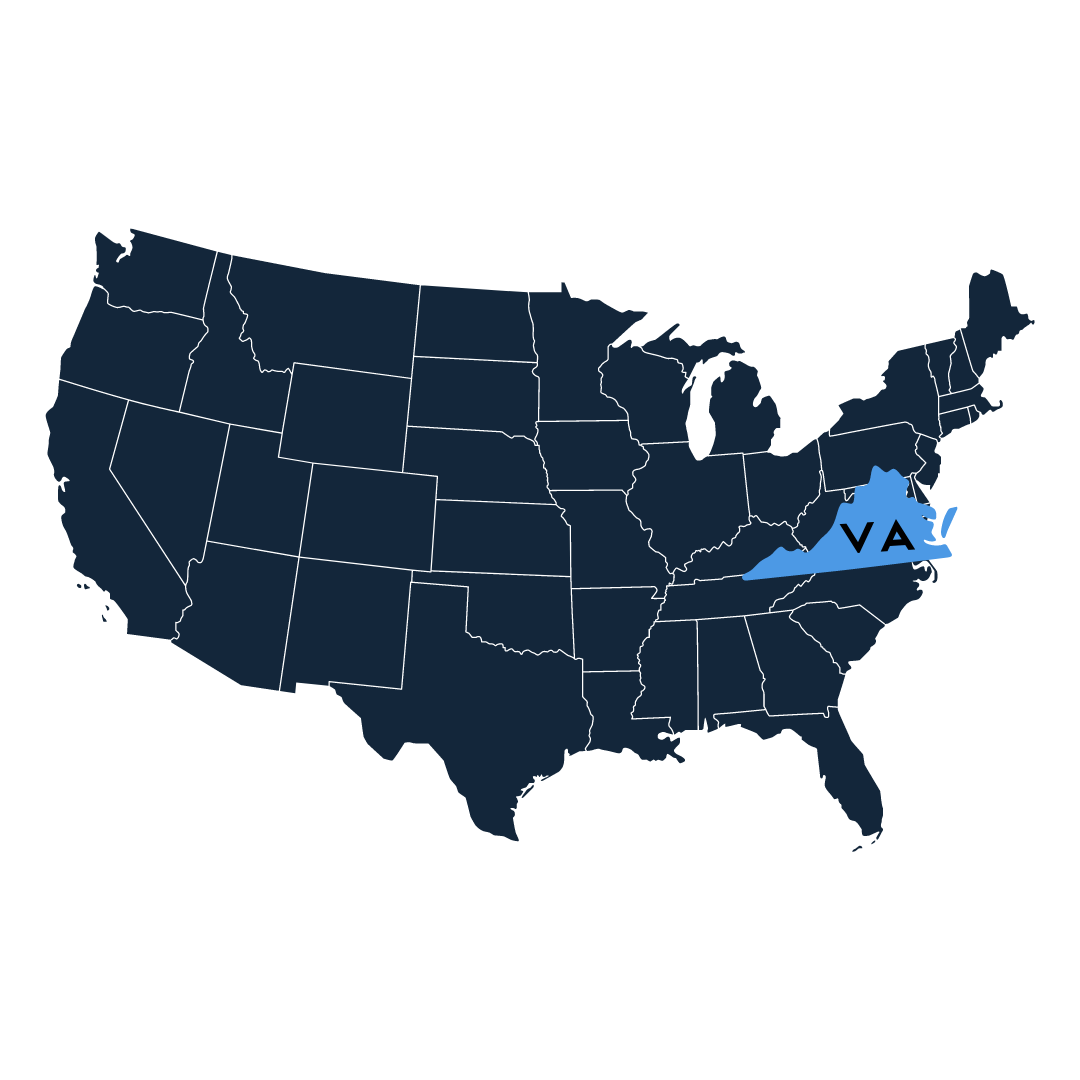
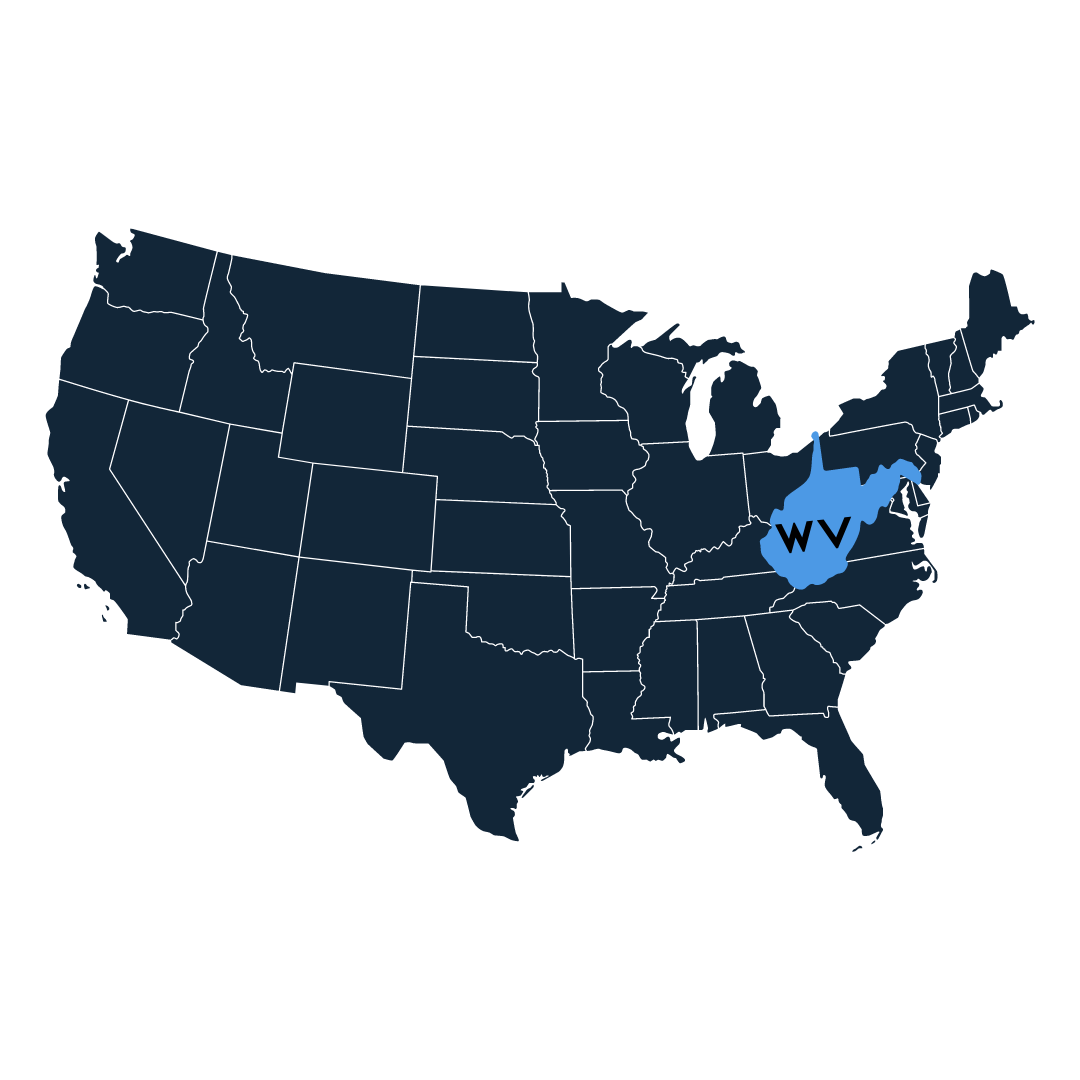
To help you understand how different states handle these issues, we divided the state laws into four categories.
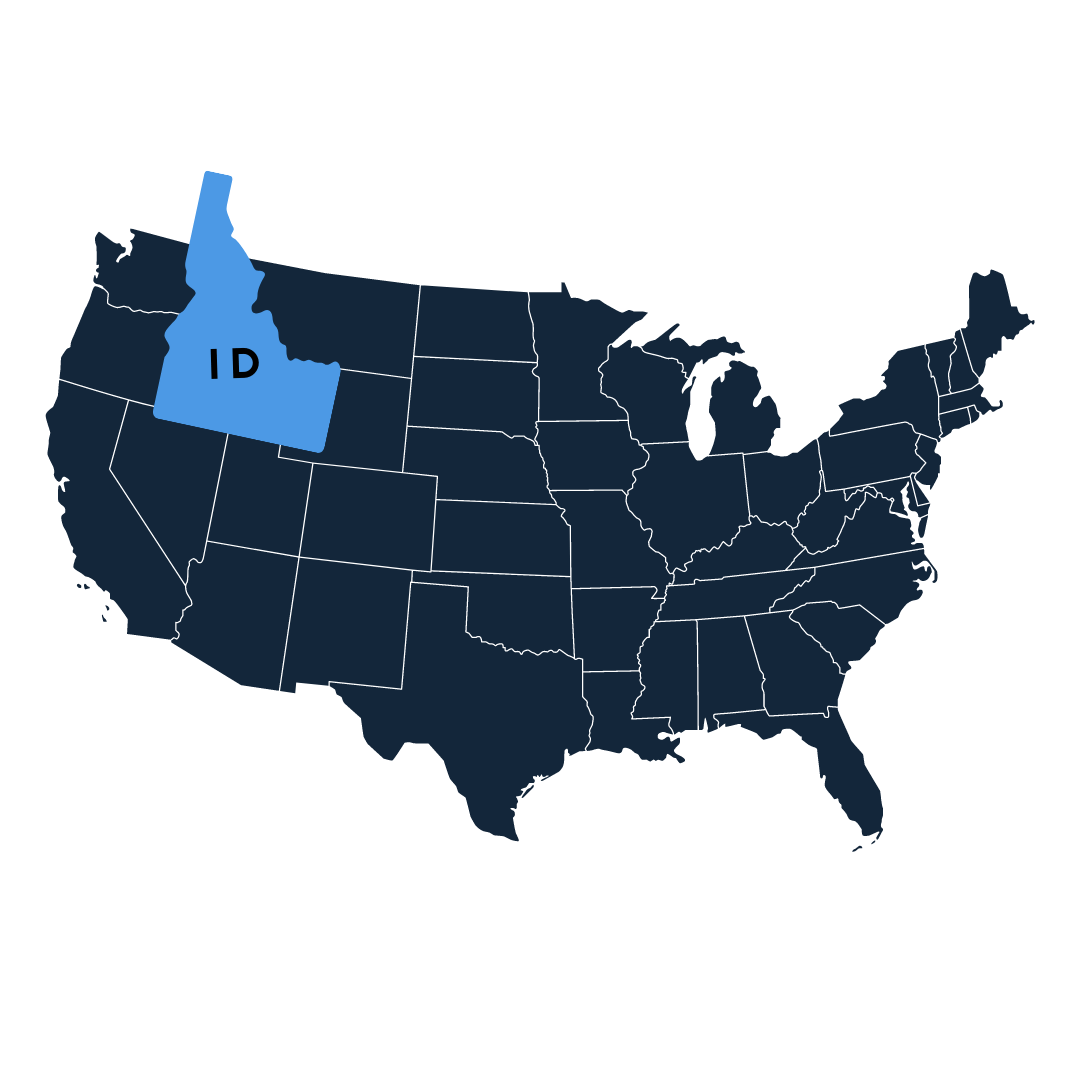
No Waiting Period and no Revocation Period These states do not have a waiting period. Placing parents may sign the adoption any time after their child is born and their consent is irrevocable once they do.
No Waiting Period, with a Revocation Period In these states, consent can be given at any time after birth, but there is some period during which the placing parent is allowed to change their mind about the adoption.
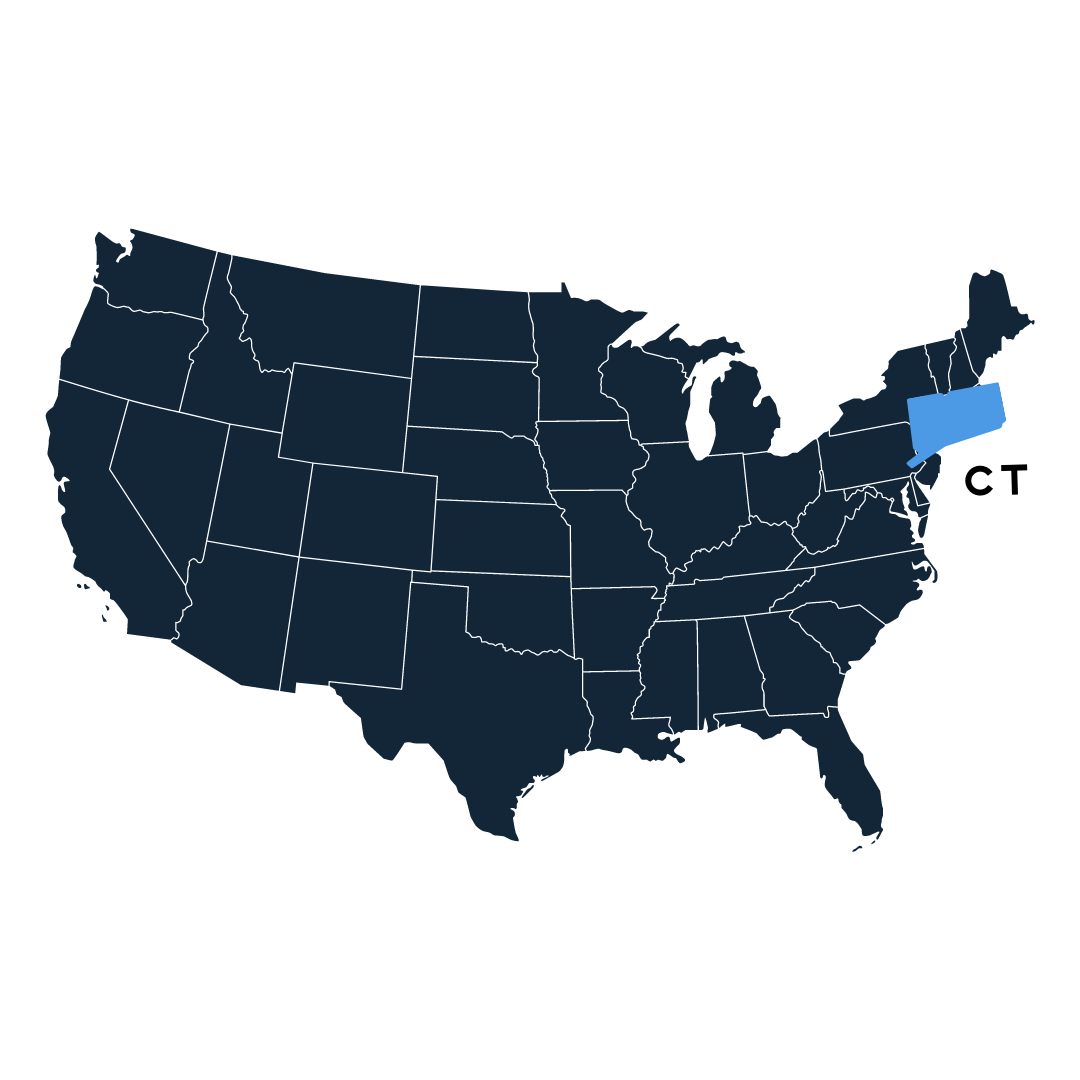
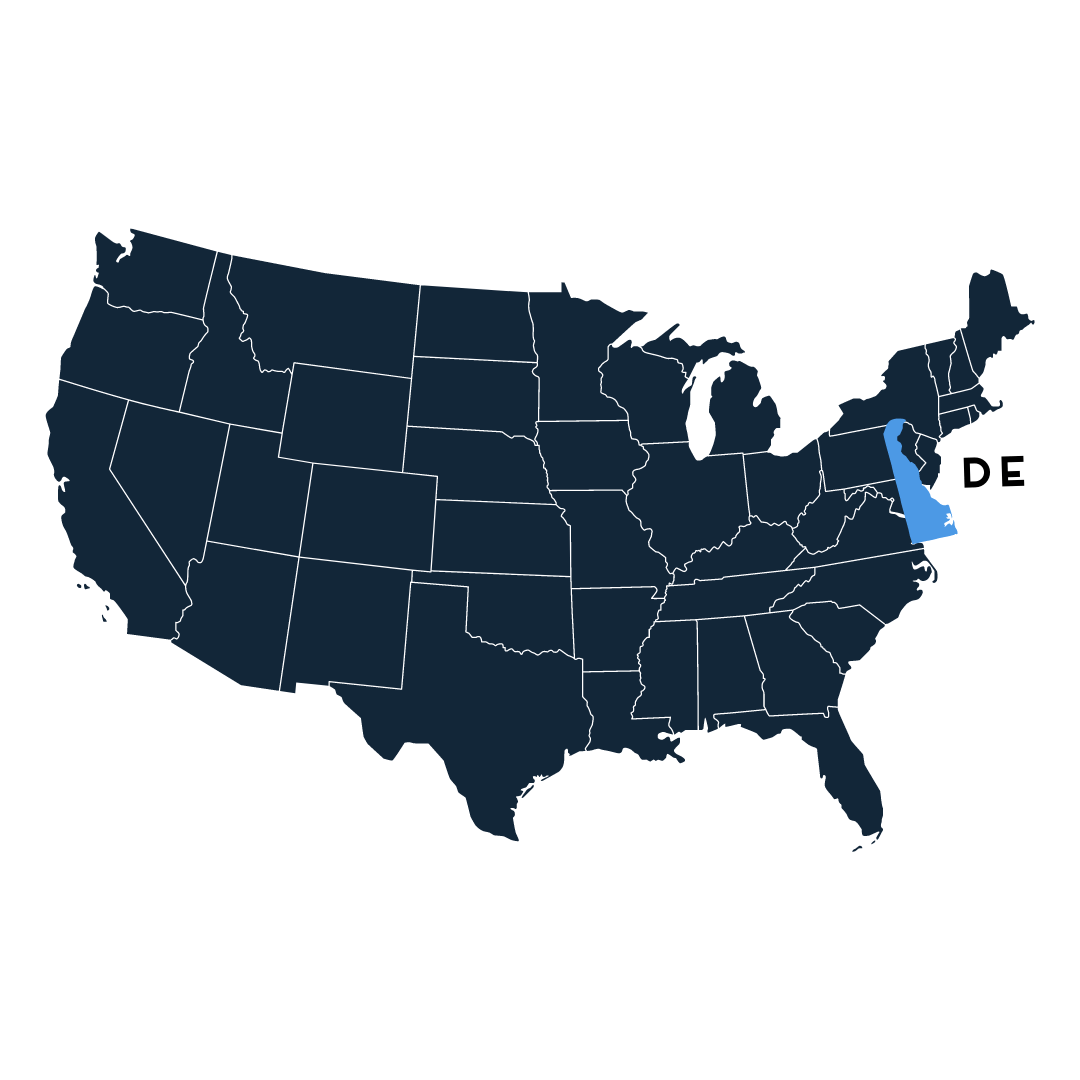
Waiting Period, No Revocation Period These states require a waiting period before consent can be given, typically 12 hours to 72 hours after birth. Once the consent is signed, there is no revocation period, and it is irrevocable and final.
Waiting Period, with a Revocation Period These states have a waiting period before consent can be given and a revocation period after consent. The specific lengths of the waiting and revocation periods vary by state.

In all states, once the revocation period has passed, the placing parent may not revoke her adoption consent unless she can prove that she was defrauded or under duress when she agreed to sign the adoption consent or relinquishment.


Because laws differ so dramatically across states, it is crucial for anyone considering adoption or revocation of consent to fully understand the rules that apply in the relevant jurisdiction.
You should consult an experienced and trustworthy adoption attorney to understand your rights and deadlines before signing any legal document.